

The Alfa Romeo 1.9, 2.0, and 2.4 JTDm diesel engines are famous for delivering an excellent balance of torque, fuel economy, and reliability. However, as the mileage creeps up, many owners start to experience a frustrating set of symptoms: a noticeable lack of power under acceleration, a hesitation or “lag” when pressing the throttle, and an embarrassing cloud of black smoke pouring from the exhaust.
When a diesel Alfa starts blowing black smoke and losing power, many drivers—and even some mechanics—immediately jump to the most expensive conclusions. They assume the turbocharger is blown, the fuel injectors are ruined, or the DPF is irreparably clogged.
Before you authorize a costly turbo replacement, you need to check for a much simpler, far less expensive issue: a boost leak caused by a failing intake manifold gasket.
What is a Boost Leak?
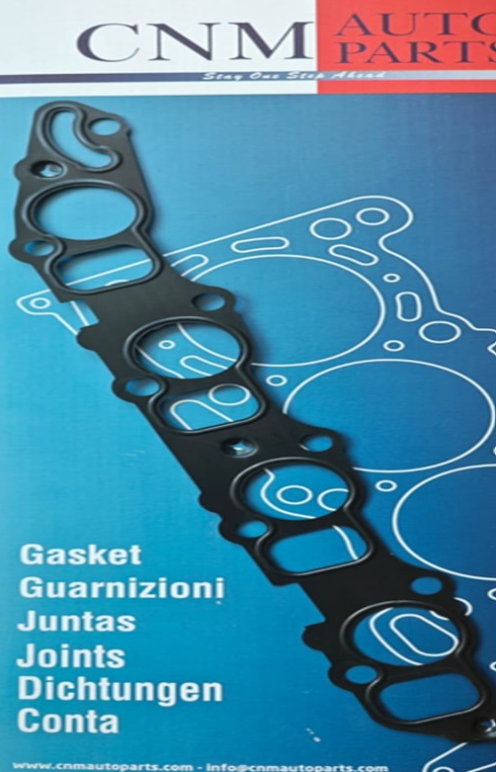
Diesel engines rely on the turbocharger forcing highly pressurized air (boost) into the engine’s cylinders through the intake manifold. To ensure all that pressurized air actually makes it into the engine, an intake manifold gasket creates an airtight seal between the plastic or aluminum manifold and the metal cylinder head.
Over years of driving, this gasket is subjected to immense pressure, heat, and constant exposure to oil vapors and soot from the EGR system. Eventually, the rubber or metal gasket flattens, degrades, and blows out.
When the gasket fails, the pressurized air from the turbo escapes into the engine bay instead of going into the cylinders.
Why Does It Cause Black Smoke?
Your engine’s ECU (computer) measures the air coming in and injects fuel accordingly. If a gasket is leaking, the air escapes after being measured. The engine injects the correct amount of fuel, but doesn’t have enough air to burn it cleanly.
This results in a “rich” mixture. The unburnt diesel fuel exits the tailpipe as thick, black soot. You lose power because the cylinders aren’t getting the compressed air they need to generate torque.
How to Spot a Leaking Intake Manifold Gasket
You can often diagnose this failure visually without taking the engine apart:
- The Oily Mess: Look closely where the intake manifold bolts to the engine block. A blown gasket will allow oily, pressurized soot to blow outward. If you see a thick, sticky buildup of black sludge around the base of the intake manifold, your gasket has failed.
- Hissing Sounds: Under hard acceleration, roll down your windows. If you hear a loud hissing or rushing air sound (louder than normal turbo whistle), boost is escaping.
- (Note for 1.9 and 2.4 JTDm owners: Oil and boost can also leak from the “swirl flap” pivot points on top of the manifold. These utilize small internal seals that frequently fail).
(Check our exploded view diagram below to see exactly how the intake manifold mates to the cylinder head and where these crucial seals are located).
Stop the Leak, Restore the Power
Don’t let a mechanic replace your turbocharger when the real problem is just a massive air leak at the manifold. Fixing this issue requires removing the intake manifold, cleaning the mating surfaces thoroughly, and installing a new gasket.
Because of the high boost pressures generated by JTDm engines, never reuse an old manifold gasket or settle for cheap paper alternatives. You need a heavy-duty gasket designed to withstand high boost and extreme thermal expansion.
Restore your Alfa Romeo’s torque, eliminate the black smoke, and improve your fuel economy by sealing your intake system properly.